

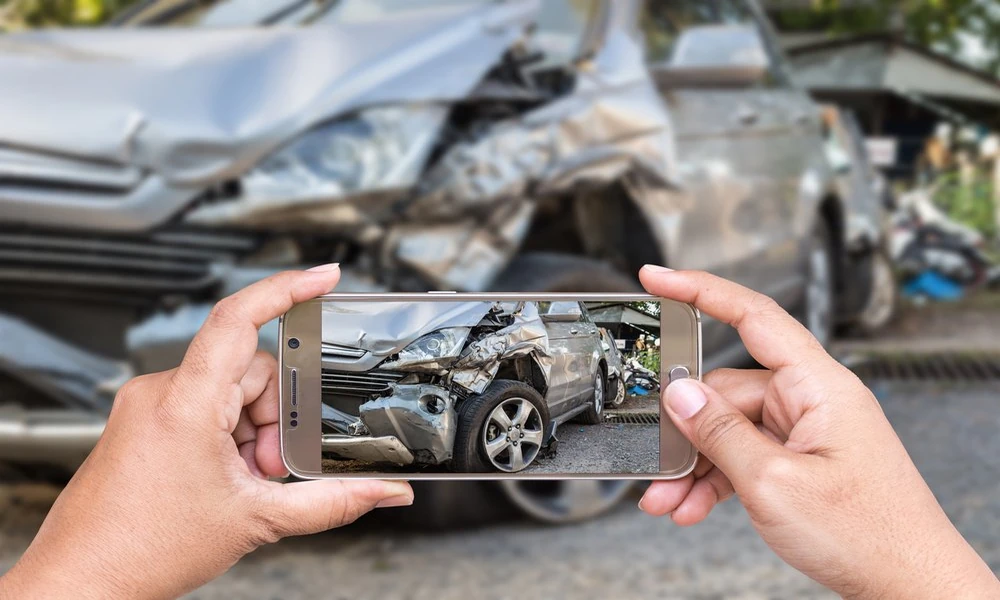
After a car accident, the drivers involved do not always agree about what happened. The other driver may claim you changed lanes without warning, ran a light, stopped suddenly, or otherwise caused the collision. Their insurance company may make the same argument.
Being blamed does not automatically mean you are legally responsible for the crash. Fault depends on the available evidence and how Florida law applies to the circumstances. If liability is disputed, working with a car accident attorney in Tampa can help you evaluate the evidence, respond to allegations, and understand your options.
Key Takeaways
- Another driver’s accusation does not automatically establish legal fault.
- Florida uses a modified comparative-fault system in negligence cases.
- Your compensation may be reduced if you share responsibility for the accident.
- A person found more than 50% responsible generally cannot recover damages under Florida’s comparative-fault statute.
- Photos, video, witness information, vehicle damage, and other records can help establish what occurred.
- Speaking with a car accident attorney early can help preserve evidence and identify legal deadlines.
How Does Florida Handle Shared Fault After a Car Accident?
Florida law allows fault to be divided among the people responsible for a negligence-related accident.
Under Florida Statute §768.81, damages are reduced according to a claimant’s percentage of fault. However, a person who is found more than 50% at fault for their own harm cannot recover damages in a negligence action covered by the statute.
For example, suppose your recoverable damages were determined to be $100,000, but you were found 25% responsible for the crash. Applying comparative fault would reduce the award by 25%, leaving $75,000.
Actual outcomes depend on the facts, available insurance, damages, and other legal issues involved in the claim.
Evidence Can Matter When Fault Is Disputed
When the drivers tell different stories, objective evidence becomes especially useful.
Photos showing vehicle positions, impact damage, skid marks, traffic signals, and road conditions can provide context. Dashcam footage or nearby surveillance video may capture the collision itself. Independent witnesses can also help clarify what happened.
Florida’s Department of Highway Safety and Motor Vehicles maintains the state’s crash-report system. Florida also requires law enforcement notification for certain crashes, including accidents involving injuries, fatalities, hit-and-runs, commercial vehicles, vehicles requiring a wrecker, and crashes meeting specified property-damage conditions.
A car accident attorney may review available records and determine whether additional evidence should be requested before it disappears or becomes harder to obtain.
Don’t Ignore Medical Care Because Fault Is Unclear
A dispute about responsibility should not stop an injured person from addressing medical needs.
Florida’s current Personal Injury Protection law provides qualifying benefits regardless of who caused a covered motor vehicle accident. For medical benefits under PIP, the statute generally requires initial qualifying services and care within 14 days of the accident.
Medical records can also help document the nature of an injury and connect treatment with the timing of the collision.
How Can a Car Accident Attorney Help?
A lawyer can investigate liability rather than relying solely on what either driver says.
Depending on the case, that may involve reviewing crash reports, photographs, medical documentation, witness accounts, insurance information, available video, and vehicle damage. An attorney can also communicate with insurers and evaluate how Florida’s comparative-fault rules may affect a claim.
The Black Law Company represents people injured in car accidents and other personal injury matters in Tampa and throughout Florida. The firm is based at 3630 W. Kennedy Boulevard in Tampa and offers free case evaluations.
Timing also matters. Florida Statute §95.11 currently provides a two-year limitations period for actions founded on negligence, although the correct deadline can depend on the circumstances of a particular case.
Frequently Asked Questions
Can I recover compensation if I was partly at fault for a Florida car accident?
Potentially. Florida law reduces damages according to your percentage of fault. However, a party found more than 50% at fault for their own harm generally cannot recover damages under the comparative-fault statute.
Does a police report decide who is legally at fault?
A crash report can provide important information, but liability in an insurance claim or lawsuit may depend on additional evidence and applicable law.
What evidence should I save after a car accident?
Keep photographs, videos, witness contact information, medical records, repair estimates, insurance correspondence, and other documents related to the collision and your losses.
How long do I have to file a Florida car accident lawsuit?
Florida law generally provides two years for an action founded on negligence. Exceptions can apply, so the deadline should be evaluated based on the specific case.
When should I contact a car accident attorney?
Consider getting legal advice promptly when you are injured, fault is disputed, an insurer is challenging your claim, or significant damages are involved. Early review can also help identify evidence that should be preserved.
If another driver or insurance company is blaming you for a Tampa collision, The Black Law Company can review the circumstances and explain your legal options during a free case evaluation.
This post was written by Okoye Morgan Jr., a lawyer with extensive knowledge as a personal injury law firms Tampa. Okoye is one of the founding partners of The Black Law Company, specializing in personal injury law, trust and estate law, civil litigation law, and criminal defense.
The information provided on this website does not, and is not intended to, constitute legal advice. All information, content, and materials available on this site are for general informational purposes only. Information on this website may not constitute the most up-to-date legal or other information. This website contains links to other third-party websites. Such links are only for the convenience of the reader, user or browser; the ABA and its members do not recommend or endorse the contents of the third-party sites.