
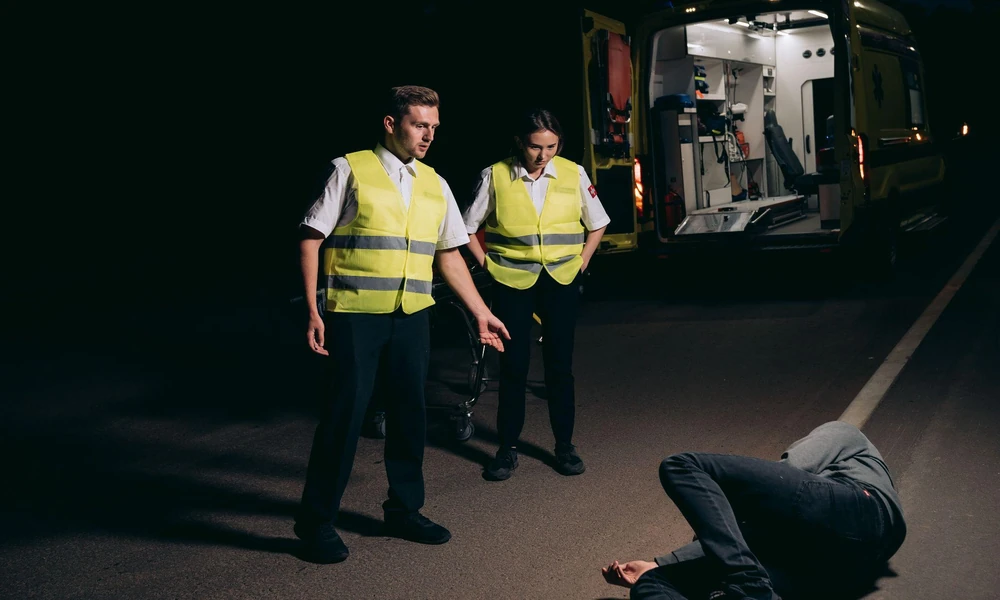
California’s streets are as busy as they are dangerous for pedestrians. Every year, thousands of people are injured by vehicles, and many don’t know exactly what legal rights they have after an accident. A pedestrian has no protection compared to a vehicle, so even a low-speed collision can cause serious injuries or even permanent disability.
In this article, we’ll try to answer:
- What is California’s Pure Comparative Negligence law?
- What are the pedestrian right-of-way and crosswalk laws?
- What types of compensation are available after an accident?
- How long do you have to file a claim?
- What should you do immediately after an accident?
- Why should you hire a lawyer?
If you or someone you know has been the victim of a road accident in California, this blog will be extremely helpful for you.
California’s Pure Comparative Negligence Law
California is a “pure comparative negligence” state. This means that even if you’re partly at fault for the accident, you don’t lose your right to compensation. A court or jury assigns each party a percentage of fault, and the compensation you’re owed is reduced according to that percentage.
For example, say a pedestrian was crossing mid-block, and a driver was speeding while talking on the phone. If the jury decides the pedestrian is 30% at fault and the driver is 70% at fault, and the total damages amount to $300,000, the pedestrian would receive $210,000. Even if you’re found 99% at fault, you still legally retain the right to claim compensation based on the remaining 1%.
The core idea behind this system is that having partial fault doesn’t mean losing the right to sue. However, the less fault you can prove is yours, the higher your compensation, so gathering evidence of the incident (witnesses, CCTV footage, police reports) is extremely important.
Pedestrian Right-of-Way and Crosswalk Laws
Under the California Vehicle Code, the responsibilities of pedestrians and drivers are clearly defined:
- At marked or unmarked crosswalks (CVC 21950): Whether or not a crosswalk is painted at an intersection, it’s legally considered a crosswalk. Drivers must yield the right-of-way to pedestrians here.
- Crossing outside a crosswalk (CVC 21954): If a pedestrian crosses the street outside a crosswalk, the responsibility to yield to nearby vehicles falls on them.
- Freedom to Walk Act (AB 2147): Effective since January 1, 2023, this law means police can no longer ticket someone for jaywalking unless it creates an immediate danger while crossing. In other words, crossing outside a crosswalk when no vehicle is nearby is no longer a punishable offense.
However, one important thing to keep in mind: even though jaywalking is legal, it can still affect a comparative negligence analysis. Even without breaking the law, if an accident happens while crossing outside a crosswalk, the jury may assign the pedestrian some share of fault. On the other hand, if the driver was reckless, distracted, or impaired, the driver’s liability largely remains intact despite the jaywalking.
What Types of Compensation Are Available After an Accident
Victims of pedestrian accidents in California can generally claim the following types of compensation:
Economic damages (financial losses):
- Hospital and medical expenses (including future medical costs)
- Lost income from time away from work
- Compensation for reduced future earning capacity
- Rehabilitation and physiotherapy costs
Non-economic damages (non-financial losses):
- Physical and emotional pain and suffering
- Reduced quality of life
- Permanent disability or disfigurement
Notably, California doesn’t impose a specific cap on pain and suffering compensation in most personal injury cases, so the more severe the injury, the significantly higher the compensation can be. If someone dies in an accident, the family can separately file a wrongful death claim.
Statute of Limitations: How Much Time Do You Have
There’s a specific deadline for filing a compensation claim, and if you miss it, the court will dismiss the case no matter how strong it is.
- Standard pedestrian accidents: Under California Code of Civil Procedure § 335.1, you have 2 years from the date of the accident.
- When a government entity is involved: If a government vehicle, road, or employee is responsible for the accident (such as a city bus or a road defect), the Government Claims Act requires you to first file a written claim with the relevant government agency within just 6 months. If you miss this deadline, you generally lose the right to sue except under exceptional circumstances.
Gathering evidence and seeking legal advice as quickly as possible after an accident is important, because CCTV footage can be deleted, witnesses can relocate, and the quality of evidence weakens over time.
What to Do Immediately After an Accident
- Get medical care: Even if the injury seems minor, see a doctor quickly. Some injuries, like brain injuries, aren’t apparent right away.
- Report it to the police: An official accident report later serves as important evidence for your claim.
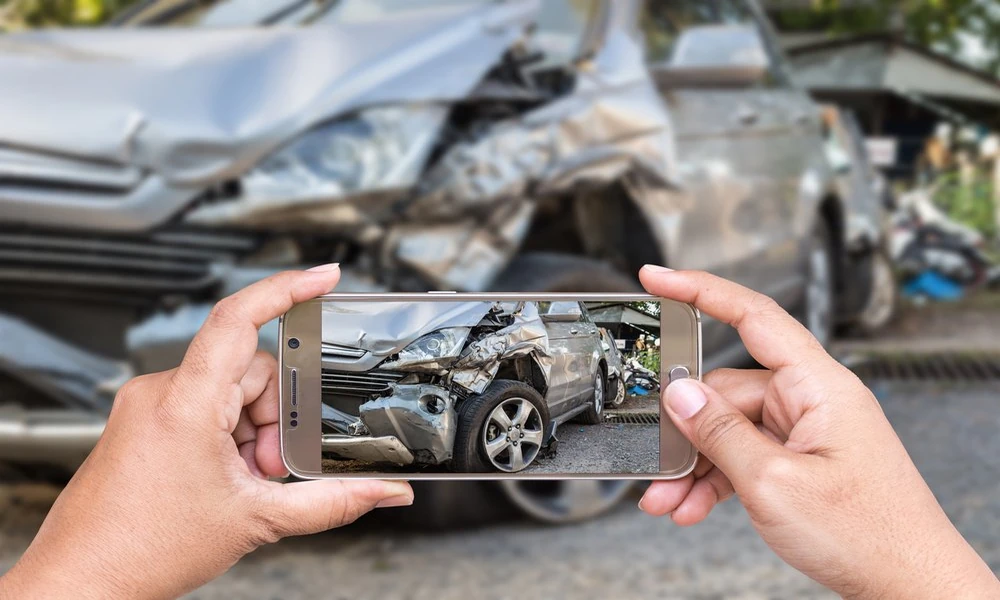
- Gather evidence: If possible, take photos of the accident scene and collect the driver’s information and witnesses’ names and contact numbers.
- Avoid giving a direct statement to the insurance company: Refrain from giving a recorded statement without a lawyer’s advice, since it can later be used to reduce liability.
- Keep the deadline in mind: Especially if a government entity is involved, don’t forget the 6-month deadline.
Why You Should Hire a Lawyer
In a comparative negligence system, every percentage of fault directly reduces your compensation, so insurance companies often try to shift as much liability as possible onto the pedestrian. An experienced personal injury lawyer can analyze the evidence from the accident, determine liability accurately, and file all paperwork within the deadlines to help ensure you receive the compensation you’re owed.
For more detailed and up-to-date information on California pedestrian and personal injury law, you can visit InjuryRights101, which also has detailed guides on legal rights related to car accidents, hit-and-runs, and rideshare accidents.
Conclusion
There’s no need to panic if you’re the victim of a pedestrian accident in California, because state law provides substantial protection for pedestrians. Even with partial fault, your right to compensation remains intact, but following the deadlines and gathering the right evidence is essential. Getting medical care quickly after an accident, preserving information from the scene, and seeking legal advice when needed are the safest ways to protect your rights.